Have you ever felt strong and energized one week, only to feel more tired or less motivated the next? While every woman's experience is different, hormonal fluctuations that occur throughout the menstrual cycle may influence energy, mood, recovery, body temperature, and exercise performance.
Not every woman of reproductive age has a typical menstrual cycle. For example, a woman who has had a hysterectomy but still has her ovaries will no longer have menstrual bleeding, but the ovaries can continue to produce hormones and experience the hormonal fluctuations associated with the menstrual cycle. If both ovaries are removed, surgical menopause begins and those hormone fluctuations drop
Menstrual cycles can also vary in length and regularity. Factors such as age, stress, changes in body weight, certain medical conditions, medications, and hormonal changes can affect the timing and regularity of a cycle. As a result, some women may not be able to identify or track specific menstrual-cycle phases easily.
Key Hormones
Understanding the hormones involved and how they change throughout the cycle can provide helpful context for understanding how you may feel during training.
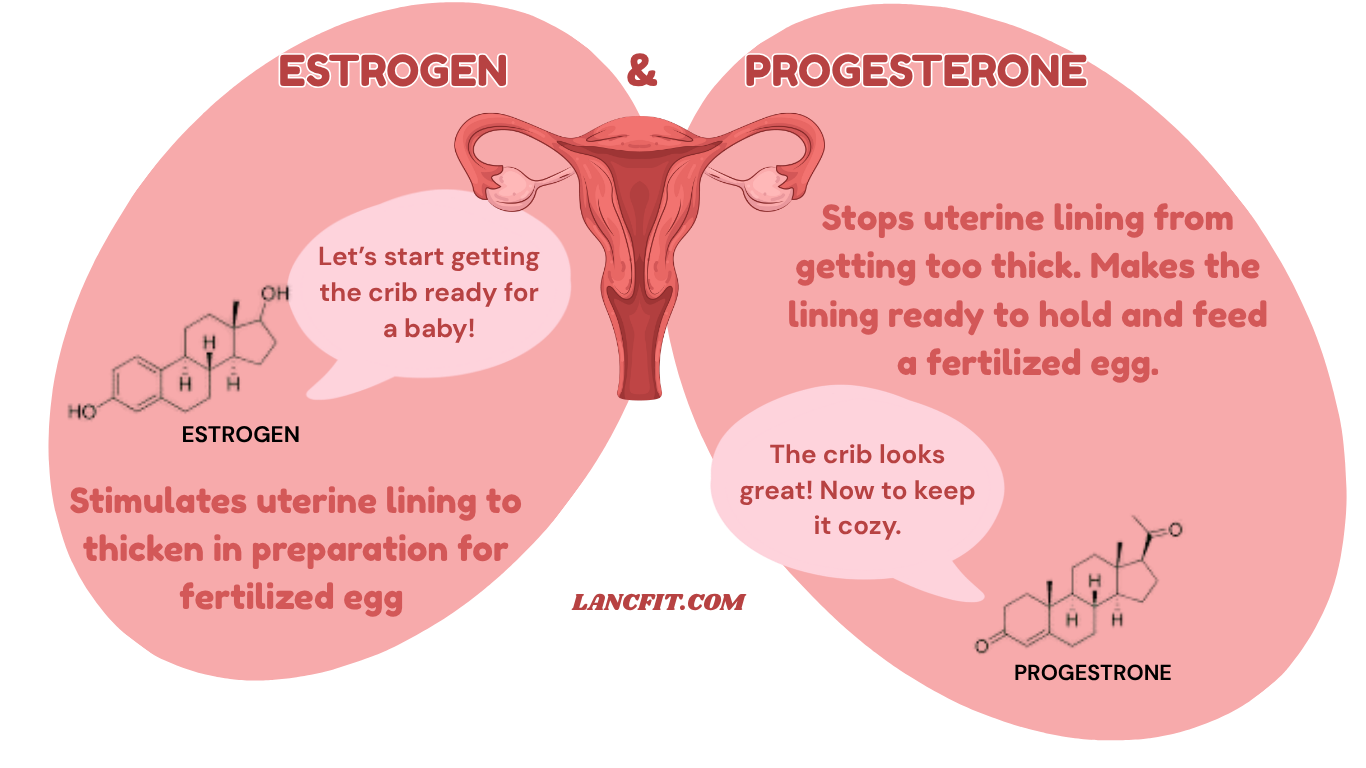
Estrogen
Estrogen is a sex hormones produced primarily by the ovaries, with smaller amounts produced by the adrenal glands and body fat.
Estrogen plays many roles throughout the body. During the first half of the menstrual cycle, rising estrogen helps stimulate the growth and thickening of the uterine lining (endometrium) in preparation for a potential pregnancy.
Estrogen also interacts with the brain and nervous system and influences neurotransmitter systems involved in mood, motivation, and other brain functions. Changes in estrogen levels may contribute to mood and emotional changes experienced by some people throughout the menstrual cycle.
Progesterone
Progesterone is a sex hormone produced primarily by the ovaries after ovulation.
Following ovulation, progesterone rises during the luteal phase. It helps prepare and maintain the uterine lining for a potential pregnancy and contributes to changes in body temperature and other physiological processes.
If pregnancy does not occur, progesterone levels fall along with estrogen. This hormonal decline helps trigger the shedding of the uterine lining, resulting in menstruation.
The Phases of the Menstrual Cycle
A “Typical” Menstrual Cycle
The menstrual cycle varies considerably from woman to woman and from cycle to cycle. In adults, a menstrual cycle is generally considered to be within the typical range when it occurs approximately every 24–38 days.
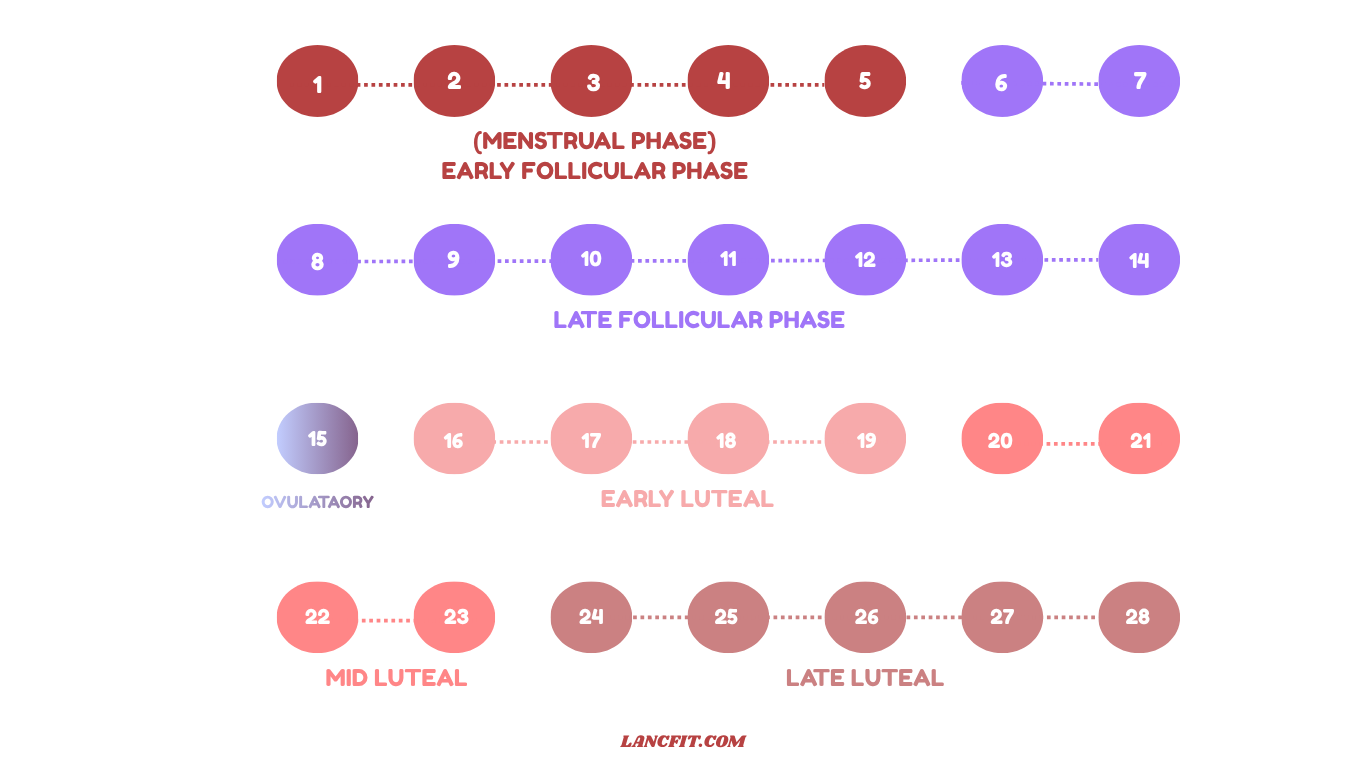
For simplicity, the phases below use a 28-day cycle as an example. However, a 28-day cycle is only a model. It does not represent everyone's normal cycle. The timing of ovulation and the length of each phase can vary considerably.
-
Early Follicular (Menstrual) Phase | Days 1–5
Late Follicular Phase | Days 6–12
-
Ovulation | Around Days 13–15
-
Early Luteal Phase | Days 16–19
Mid-Luteal Phase | Days 20–23
Late Luteal Phase | Days 24–28
Follicular
Early Follicular (Menstrual Phase) | Days 1–5
Hormones at Play:
Estrogen Low
Progesterone Low
The menstrual cycle begins once progesterone drops (if pregnancy has not occurred). Estrogen does begin to slowly rise after the mesntual cycle begins.
How You May Feel
Cramping caused by uterine contractions as the uterine lining is shed
Lower energy levels
Fatigue
Changes in mood
Heavy menstrual bleeding can contribute to iron deficiency and iron-deficiency anemia, which may cause fatigue, weakness, dizziness, and shortness of breath. Even mild iron deficiency may negatively affect physical performance, particularly during exercise. (Hayward et al., 2024)
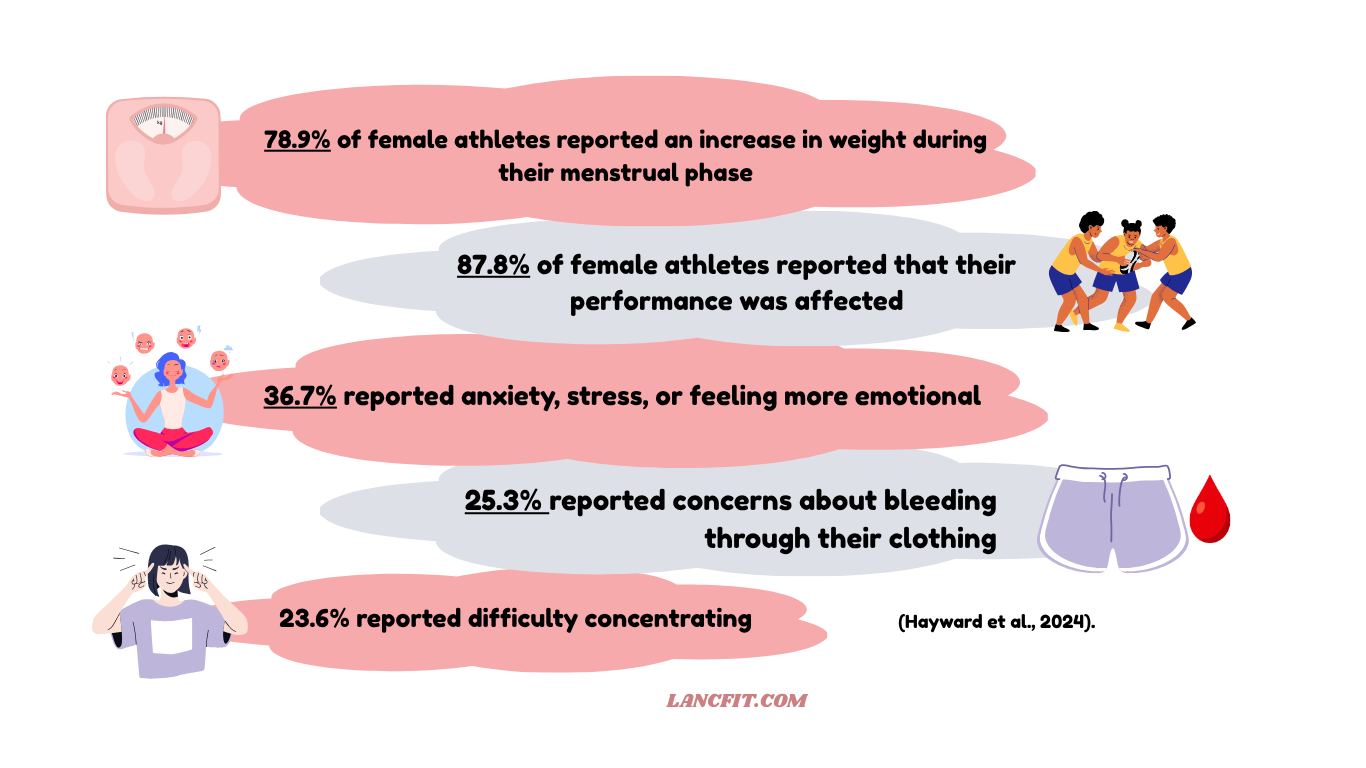
Hayward et al. (2024) conducted a questionnaire survey on 124 professional female rugby players and found that 78.9% of female athletes reported an increase in weight during their menstrual phase, while 70.1% reported that they felt their sports performance was worse. 87.8% of female athletes reported that their performance was affected during their menstrual phase, while 51.7% perceived their risk of injury to be higher. Psychologically, 36.7% reported anxiety, stress, or feeling more emotional, 25.3% reported concerns about bleeding through their clothing, and 23.6% reported difficulty concentrating.
These experiences may be influenced by a combination of physical, hormonal, and psychological factors. Concerns about menstrual bleeding can also add stress for athletes, particularly when wearing sports uniforms or participating in activities where access to a bathroom or menstrual products may be limited.
Common menstrual products include pads, tampons, period underwear, menstrual cups, and menstrual discs.
Sports organizations, gyms, and training facilities can help reduce this concern by providing access to menstrual products and offering uniform options that allow athletes to feel comfortable and confident while participating in sports. If your local sports or training facility does not provide free menstrual products, consider advocating for them.
Exercise Considerations
You do not need to stop exercising during your period. In fact, exercise may help improve mood and reduce menstrual symptoms. (Cleveland Clinic, 2022; Gollen & Ricciotti, 2021)
A 2015 systematic review found that exercise, including strengthening, stretching, muscle relaxation techniques, and aerobic exercise such as jogging, may help reduce menstrual pain in women who exercise regularly. (Ortiz et al., 2015)
Listen to your body and adjust the intensity, duration, or type of exercise based on how you feel.
What Can Help
Heat therapy: Applying a heating pad or hot water bottle to the lower abdomen or lower back may help relieve menstrual cramps. Heat can help relax muscles and increase blood flow to the area, which may reduce pain.
NSAIDs: Nonsteroidal anti-inflammatory drugs (NSAIDs), such as ibuprofen or naproxen, can help reduce menstrual cramps by decreasing the production of prostaglandins, which contribute to uterine contractions and pain. Follow the product directions and speak with a healthcare professional if you have questions about whether NSAIDs are appropriate for you.
Some research also suggests that consuming carbohydrates, such as glucose, may help reduce some of the effects of hormonal fluctuations on aerobic performance during the menstrual cycle. (Wen et al., 2025)
Late Follicular Phase | Days 6–14
Hormones at Play:
Estrogen rises
Progesterone remains low
How You May Feel
Some women report:
Increased energy
Improved mood
Greater motivation to exercise
Feeling stronger or more capable during workouts
As you move through the follicular phase toward ovulation, estrogen levels rise and eventually reach their highest levels around ovulation. Research has found some differences in exercise performance between the follicular and luteal phases. Wen et al. (2025) reported that aerobic performance was higher during the follicular phase than during the luteal phase.
Strength & Performance
Some research suggests that the late follicular phase may be a favorable time for certain types of high-intensity exercise. According to a cross-sectional review, two studies found that during the late follicular phase, the days leading up to ovulation, women appeared to fatigue less during repeated cycling sprints. They were able to maintain more power during the final sprints, suggesting they may have been better able to sustain performance during repeated high-intensity efforts (Carmichael et al., 2021).
Research has also suggested that resistance training during the follicular phase may result in greater improvements in muscle strength. Estrogen has effects on muscle and connective tissue, and researchers have investigated whether these hormonal changes may contribute to differences in training adaptations across the menstrual cycle (Ryman Augustsson & Findhé-Malenica, 2025).
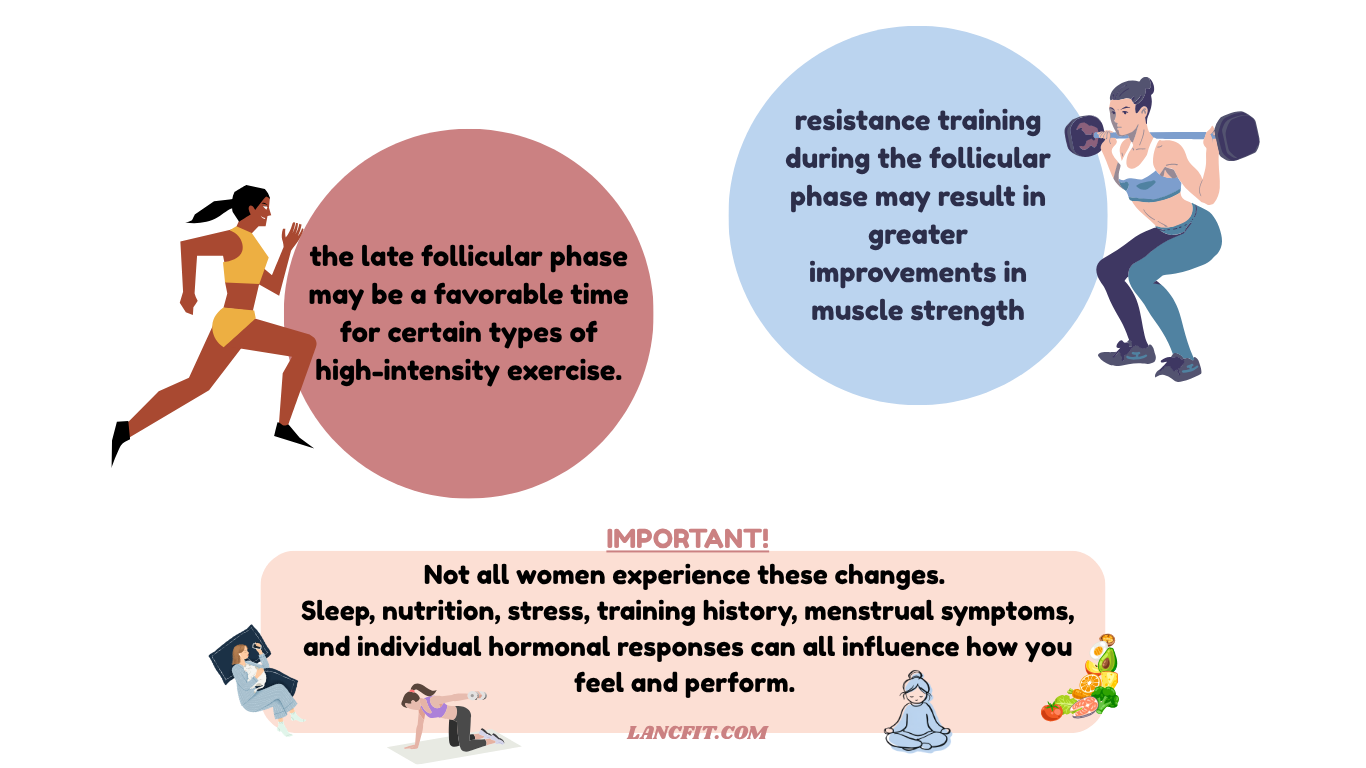
However, these findings do not mean that everyone will automatically be stronger or perform better during this phase. Research on menstrual-cycle-related changes in strength and performance is still mixed, and individual responses can vary considerably.
Injury Considerations
Some research has reported a higher incidence of certain muscle and tendon injuries during the late follicular phase. One proposed explanation is that hormonal changes around ovulation may affect ligament and tendon stiffness and joint stability (Hayward et al., 2024).
However, the relationship between menstrual-cycle hormones and injury risk is complex and remains an area of ongoing research. A higher injury risk should not be assumed simply because you are in the late follicular phase.
Good training practices, including an appropriate warm-up, proper exercise technique, adequate recovery, and progressive increases in training load, remain important throughout the entire menstrual cycle.
Exercise Considerations
If you feel energetic and well-recovered during this phase, you may choose to challenge yourself with higher-intensity training.
Depending on your goals, this could include:
Progressive strength training
Higher-intensity resistance training
Power or explosive exercises
Sprint or interval training
Zone 2 cardiovascular training
Sport-specific conditioning
You do not need to increase your training intensity simply because you are in the late follicular phase. Use your individual energy, recovery, and performance as a guide.
OVULATORY
Ovulation | Around Days 13–15
Hormones at Play:
Estrogen rises to a maximum level right before ovulation. This high peak triggers a sudden surge of luteinizing hormone (LH), which directly causes the ovary to release the egg. Right after the peak, estrogen dips temporarily
Progesterone remains low until ovulation occurs
Ovulation typically occurs around the middle of the menstrual cycle, although the exact timing can vary from person to person and from cycle to cycle.
How You May Feel
Some women may experience:
Increased confidence
Greater social energy
Increased sex drive
Improved mood
In a small qualitative study of recreationally strength-trained women, some participants described feeling especially strong, motivated, and energetic around ovulation (Ryman Augustsson & Findhé-Malenica, 2025). However, individual experiences varied, and not everyone experiences an increase in energy or performance during ovulation.
These experiences can vary considerably between individuals (Cleveland Clinic, 2026).
Some experience ovulation pain, also called mittelschmerz. This can feel like cramping or pain in the lower abdomen or pelvis, often on one side. It may occur when the ovary releases an egg.
Breast tenderness may also occur as hormone levels change around ovulation. Estrogen reaches a peak before ovulation, while progesterone begins to rise following ovulation.
Exercise Considerations
If you feel strong, energetic, and well-recovered around ovulation, you may choose to incorporate higher-intensity training into your workouts.
This could include:
Heavy resistance training
Power and explosive exercises
Sprint or interval training
Sport-specific conditioning
Higher-intensity cardiovascular exercise
There is no requirement to increase your training intensity simply because you are ovulating. Your individual energy, recovery, symptoms, and performance should guide your training choices.
LUTEAL PHASE | Days 16–28
After ovulation, the body enters the luteal phase. Progesterone rises as the body prepares the uterine lining for a potential pregnancy, while estrogen initially decreases and then may rise slightly again during the middle of the phase. If pregnancy does not occur, estrogen and progesterone levels fall toward the end of the luteal phase, triggering menstruation and beginning a new cycle.
Note On Exercise Performance:
Research on exercise performance during the luteal phase is mixed. A 2025 narrative review found that some studies reported lower maximum strength during the luteal phase, while most studies found that anaerobic performance was not significantly affected by menstrual-cycle phase. The authors also emphasized that results vary between studies and individuals. (Wen et al., 2025)
Rather than assuming that your performance will decrease during the luteal phase, pay attention to how you feel and perform. If you experience increased fatigue, PMS symptoms, or poorer recovery, adjusting your training intensity or volume may be appropriate.
Early Luteal Phase | Days 16–19
Hormones at Play:
Progesterone begins to rise
Estrogen temporarily decreases after ovulation
Body Temperature: Progesterone has a thermogenic effect, meaning it can cause a small increase in basal body temperature following ovulation. This increase can make it more difficult for the body to dissipate heat during exercise, particularly in hot and humid environments.
Basal body temperature increases an estimated increase 0.5 to 1 degree F throughout the luteal phase (Steward & Raja, 2023).
How You May Feel:
Premenstrual syndrome (PMS) may begin.
These symptoms typically develop in the luteal phase, 1 to 2 weeks before menstruation. PMS involves physical, emotional, and behavioral symptoms that occur during the luteal phase and can significantly affect daily functioning and quality of life (Miller & Carlson, 2026).
Some women experience:
Fatigue
Mood changes
Irritability
Anxiety
Bloating
Breast tenderness
Headaches
Changes in appetite
Food cravings
Difficulty concentrating
Changes in sleep
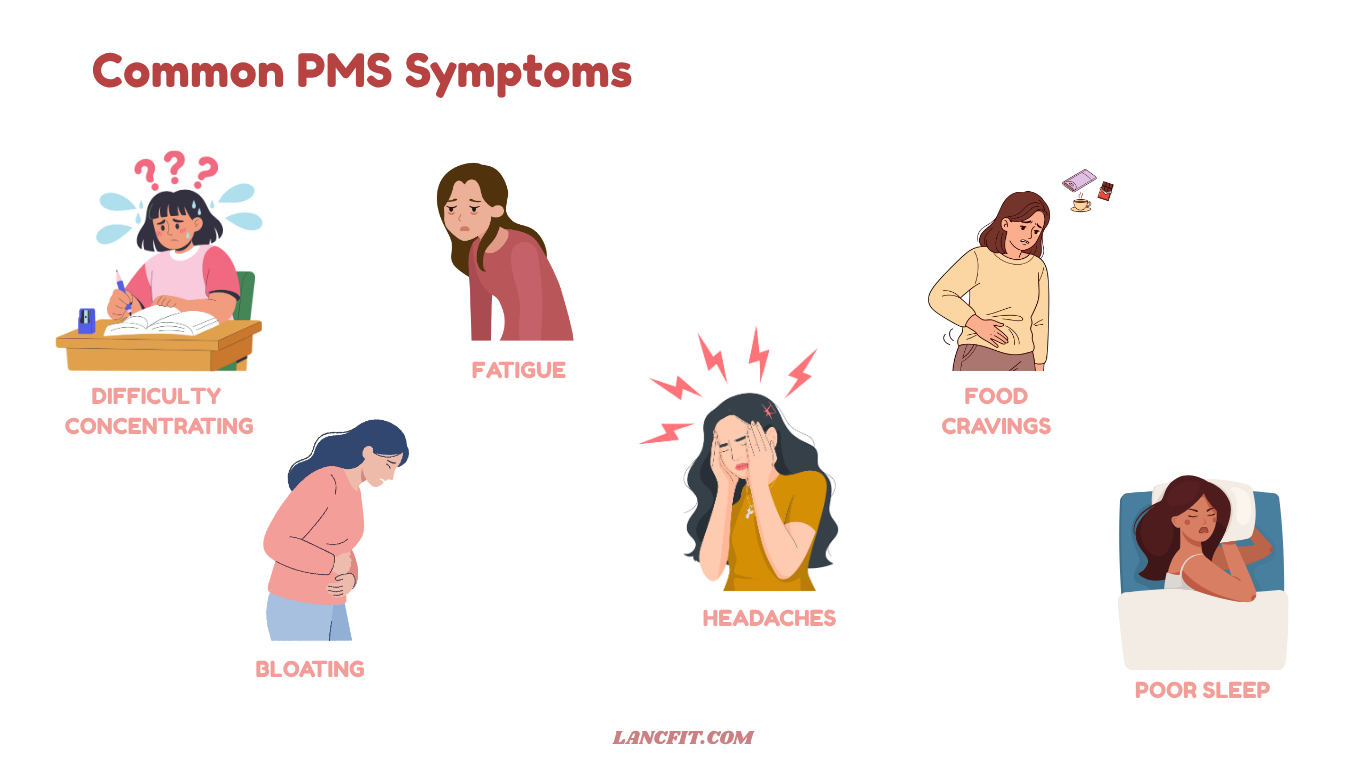
Not everyone experiences PMS, and symptoms can vary significantly from one person to another.
Mayo Clinic notes that hormonal changes associated with the menstrual cycle may contribute to PMS symptoms, including mood changes, fatigue, food cravings, and sleep problems (Mayo Clinic Staff, 2022).
Mid-Luteal Phase | Days 20–23
Hormones at Play
Progesterone reaches its highest levels
Estrogen may increase slightly again
The increase in progesterone and body temperature may also influence sleep. Research suggests that sleep changes are commonly reported in the days leading up to menstruation. The Sleep Health Foundation reports that up to 7 in 10 women report changes in sleep before their period, with symptoms most commonly occurring 3–6 days before menstruation (Sleep Health Foundation, 2024).
How You May Feel
PMS symptoms may begin or continue
Exercise in Heat
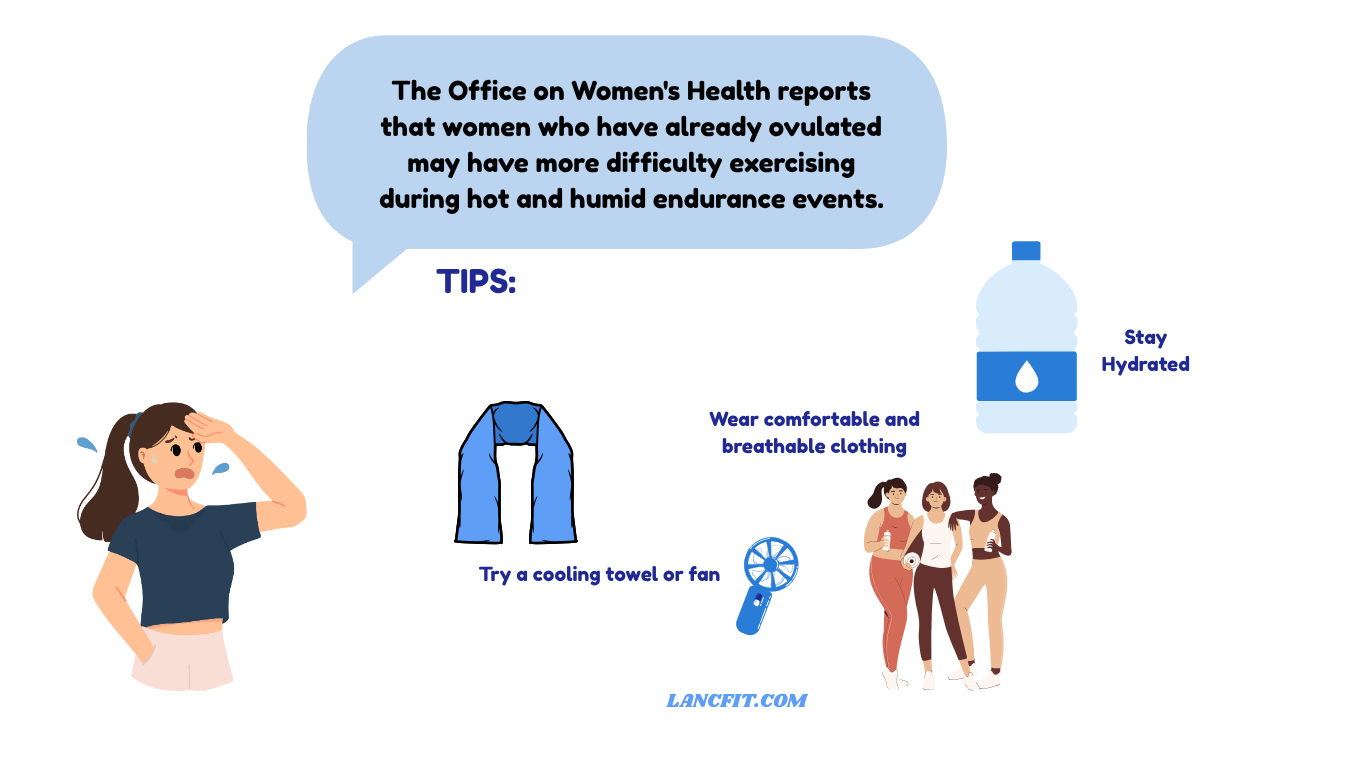
The increase in body temperature during the luteal phase may make exercising in hot and humid conditions more challenging. The Office on Women's Health reports that women who have already ovulated may have more difficulty exercising during hot and humid endurance events.
If you are exercising in hot conditions, prioritize:
Hydration
Appropriate clothing
Cooling strategies
Adequate recovery
Adjusting intensity when necessary
Late Luteal Phase | Days 24–28
Hormones At Play:
As menstruation approaches, estrogen and progesterone levels decline if pregnancy has not occurred. This hormonal shift is associated with the symptoms commonly experienced with PMS.
How You May Feel
PMS symptoms may begin or continue
Appetite & Resting Metabolic Rate
A systematic review and meta-analysis of 26 studies involving 318 women found a small increase in resting metabolic rate during the luteal phase compared with the follicular phase. However, the researchers noted important limitations, and the increase was no longer statistically significant when looking specifically at studies published since 2000.
This means that while energy expenditure may increase slightly during the luteal phase, the research does not support the idea that you need to dramatically increase your food intake.
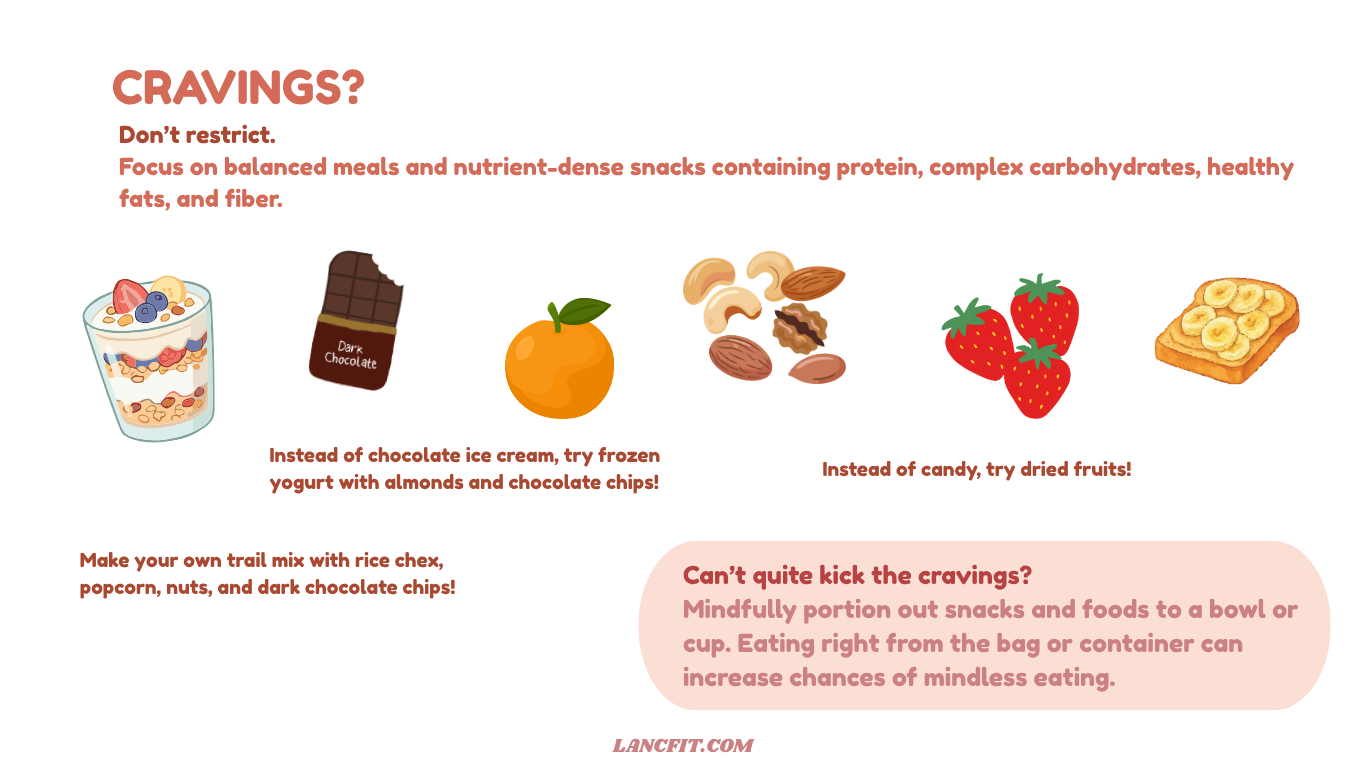
You may also notice increased hunger or cravings before your period. Rather than restricting food to compensate, focus on balanced meals and nutrient-dense snacks containing protein, complex carbohydrates, healthy fats, and fiber.
Examples include:
Greek yogurt with fruit and nuts
Apple with peanut butter
Oatmeal with berries and nuts
Whole-grain toast with eggs
Dark chocolate with nuts and fruit
Exercise Suggestions
Your training does not need to stop during the luteal phase. Instead, use your symptoms and recovery to guide your workouts.
If you feel good:
Continue your normal strength-training program
Maintain your usual cardiovascular training
Continue progressing your workouts
If you experience fatigue, poor sleep, cramping, or significant PMS symptoms:
Reduce training volume if needed
Use longer recovery periods
Choose moderate-intensity cardio
Focus on technique rather than maximal intensity
Incorporate walking, mobility work, yoga, or lighter resistance training
The goal isn't to avoid hard workouts during the luteal phase. It's to adjust your training when your individual symptoms indicate that you may benefit from doing so.
A Practical Approach
Instead of automatically changing your workout based on the day of your menstrual cycle, consider tracking how you feel and perform throughout several cycles.
Record things such as:
Energy
Mood
Recovery time
Sleep
Menstrual symptoms
Workout performance
Over time, you may begin to recognize patterns that are specific to your body. This can help you make informed adjustments to your training rather than following a one-size-fits-all cycle-syncing program.
ABOUT THE AUTHOR
Hayley Kauffman, LPN is a Licensed Practical Nurse and NASM Certified Personal Trainer and Nutrition Coach with a passion for helping people improve their health through evidence-based fitness, nutrition, and sustainable lifestyle habits. She believes lasting results come from building realistic routines that fit each person's unique goals and lifestyle.
EDUCATIONAL DISCLAIMER
The information provided in this article is for educational and informational purposes only and is not intended as medical advice. It should not be used to diagnose, treat, cure, or prevent any disease or medical condition. Always consult your physician or another qualified healthcare provider before beginning any new exercise, nutrition, or wellness program, especially if you have any underlying health conditions or concerns.
REFERENCES
Benton, M. J., Hutchins, A. M., & Dawes, J. J. (2020). Effect of menstrual cycle on resting metabolism: A systematic review and meta-analysis. PLOS ONE, 15(7), e0236025. https://doi.org/10.1371/journal.pone.0236025
Carmichael, M. A., Thomson, R. L., Moran, L. J., & Wycherley, T. P. (2021). The impact of menstrual cycle phase on athletes' performance: A narrative review. International Journal of Environmental Research and Public Health, 18(4), 1667. https://doi.org/10.3390/ijerph18041667
Cleveland Clinic. (2022, May 19). Endorphins: What they are and how to boost them. https://my.clevelandclinic.org/health/body/23040-endorphins
Cleveland Clinic. (2026, June 26). Nutrition and exercise throughout your menstrual cycle. Cleveland Clinic Health Essentials. https://health.clevelandclinic.org/cycle-syncing
Golen, T., & Ricciotti, H. (2021, July 1). Does exercise really boost energy levels? Harvard Health Publishing.
Handy, A. B., Greenfield, S. F., Yonkers, K. A., & Payne, L. A. (2022). Psychiatric symptoms across the menstrual cycle in adult women: A comprehensive review. Harvard Review of Psychiatry, 30(2), 100–117. https://doi.org/10.1097/HRP.0000000000000329
Hayward, E., Akam, E. C., Hunter, D. J., & Mastana, S. (2024). Role of the menstrual cycle on performance and injury risk: A survey of female professional rugby players in the United Kingdom. International Journal of Environmental Research and Public Health, 21(2), 150. https://doi.org/10.3390/ijerph21020150
Kaiser Permanente. (2026, July 28). Get to know the 4 phases of your menstrual cycle. https://healthy.kaiserpermanente.org/washington/health-wellness/healtharticle.phases-of-the-menstrual-cycle
Mayo Clinic Staff. (2022, February 25). Premenstrual syndrome (PMS): Symptoms & causes. Mayo Clinic. https://www.mayoclinic.org/diseases-conditions/premenstrual-syndrome/symptoms-causes/syc-20376780
Miller, C., & Carlson, K. (2026). Premenstrual disorders. In StatPearls. StatPearls Publishing. https://www.ncbi.nlm.nih.gov/books/NBK532307/
Office on Women’s Health. (2021, February 16). Physical activity and your menstrual cycle. U.S. Department of Health & Human Services. https://womenshealth.gov/getting-active/physical-activity-menstrual-cycle
Ortiz, M. I., Cortés-Márquez, S. K., Romero-Quezada, L. C., Murguía-Cánovas, G., & Jaramillo-Díaz, A. P. (2015). Effect of a physiotherapy program in women with primary dysmenorrhea. European Journal of Obstetrics & Gynecology and Reproductive Biology, 194, 24–29. https://doi.org/10.1016/j.ejogrb.2015.08.008
Rugvedh, P., Gundreddy, P., & Wandile, B. (2023). The menstrual cycle's influence on sleep duration and cardiovascular health: A comprehensive review. Cureus, 15(10), e47292. https://doi.org/10.7759/cureus.47292
Ryman Augustsson, S., & Findhé-Malenica, A. (2025). Power in the flow: How menstrual experiences shape women's strength training performance. Frontiers in Sports and Active Living, 7, 1519825. https://doi.org/10.3389/fspor.2025.1519825
Sleep Health Foundation. (2024, January 12). Menstrual cycle and sleep. https://www.sleephealthfoundation.org.au/sleep-topics/menstrual-cycle-and-sleep
Steward, K., & Raja, A. (2023). Physiology, ovulation and basal body temperature. In StatPearls. StatPearls Publishing. https://www.ncbi.nlm.nih.gov/books/NBK546686/
Wen, Y., Gao, B., & Ren-wei, W. (2025). Exercise performance at different phases of the menstrual cycle: Measurements, differences, and mechanisms—A narrative review. Frontiers in Endocrinology, 16, 1448686. https://doi.org/10.3389/fendo.2025.1448686
